Human Growth Hormone (HGH) Guide: Dosing, Reconstitution & Storage
Mastering Somatropin rhGH: bacteriostatic water dilution, micro-dosing, and optimizing natural IGF-1 production.
Where to start
Growth Hormone molecules are fragile protein chains that must be handled with care: never shake the vial after adding bacteriostatic water.
For anti-aging, sleep improvement, and joint repair: 2 to 3 IU daily. For aggressive fat loss and muscular hyperplasia: 4 to 6 IU daily.
Sports endocrinology has moved on from gym folklore into something closer to an applied quantitative discipline. Deliberately altering an androgenic, peptide or growth hormone pathway means working with clearance curves, receptor affinity and negative feedback, and getting any of the three wrong produces a predictable and avoidable problem.
The position taken throughout these guides is therapeutic minimalism: find the lowest dose that produces the adaptation you are after, and stay there. Pushing past it buys receptor desensitisation and end-organ stress rather than additional tissue.
Choosing the compounds
Receptor specificity matters more than compound count. Stacking several oral agents loads the liver and wrecks the lipid panel for a return that a predictable injectable testosterone base would have delivered on its own, which is why the base comes first and everything else is an addition to it.
Exogenous testosterone also holds oestradiol where it needs to be. That is not an incidental detail: oestradiol drives endothelial nitric oxide production, has a neuroprotective role, and regulates lipid receptors. Crushing it with an aromatase inhibitor causes its own set of problems.
Modern pre-filled pens like Somagen Aqua eliminate the need for manual mixing and reconstitution.
Store reconstituted Somatropin between 2°C and 8°C in a refrigerator. Protect from direct light.
Pairing kinetics deliberately is what smooths the whole thing out. A long-acting depot underneath provides the steady baseline; a short-acting compound layered on top handles acute neurological drive without the peaks and crashes that come from trying to do both jobs with one molecule.
Dosing, administration and monitoring
Steady-state serum kinetics dictate the schedule, not convenience. Splitting a weekly dose into twice-weekly or alternate-day administrations keeps serum concentrations inside a band instead of spiking them, and it is the spikes that drive aromatase activity, fluid retention and mood swings.
The monitoring schedule is three draws. Baseline on day zero: total and free testosterone, SHBG, sensitive oestradiol, prolactin, a complete blood count with haematocrit, a metabolic panel with ALT and AST, and lipids. Mid-protocol around week five: confirm haematocrit under 52 per cent, oestradiol roughly between 25 and 45 pg/ml, liver enzymes stable. Four to six weeks after post-cycle therapy finishes: confirm LH and FSH are back to baseline with testicular androgenesis restored.
Injection technique is ordinary clinical asepsis. Seventy per cent isopropyl alcohol on the vial stopper and the skin, a single-use sterile syringe every time, and rotation across ventrogluteal, dorsogluteal and deltoid sites so that scar tissue does not accumulate in one place. Review the full procedure in our Intramuscular Injection Protocol. Aspirate before injecting: it confirms no capillary has been cannulated, which is what prevents the oil embolism that produces the sudden cough.
Nutrition and cardiovascular support
Pharmacology amplifies dietary input, it does not replace it. Through an enhanced block, protein wants to sit between 2.2 and 3.0 grams per kilogram of lean body mass, simply because accelerated myofibrillar synthesis needs the substrate to work with.
Cardiovascular support is not optional at supraphysiological doses. Three to four grams of molecularly distilled EPA and DHA daily, 500 mg of citrus bergamot, 600 mg of ubiquinol and two to three litres of sodium-balanced fluid together blunt the haematocrit rise and help preserve arterial compliance.
Low-intensity steady-state cardio, something like thirty minutes of incline walking four times a week, maintains left ventricular compliance and mitochondrial density without eating into strength expression the way high-intensity conditioning does. For cutting phases, compounds like Cardarine GW-501516 further augment lipid handling.
Post-cycle therapy and long-term endocrine health
Stopping exogenous hormone opens a catabolic window. LH and FSH are still suppressed while serum androgen falls away, and without deliberately restarting the hypothalamic-pituitary-testicular axis, cortisol takes a share of whatever muscle was gained.
Standard recovery uses selective oestrogen receptor modulators, primarily Tamoxifen Citrate and Clomid. By competitively blocking oestrogen receptors at the pituitary they remove the negative feedback signal, which restores pulsatile GnRH, LH and FSH release and restarts Leydig cell testosterone production over roughly four to six weeks. Review the step-by-step protocol in our dedicated PCT Protocol Guide.
Dietary cholesterol, 50 mg of zinc, 5,000 IU of vitamin D3 and ashwagandha all support steroidogenesis through that window. Do not start another block until post-PCT bloodwork confirms normalisation. The old rule still holds: time on plus post-cycle therapy is the minimum time off.
Compiled from published pharmacological literature by the Muscle-Shop review team. This is reference material, not medical advice or a prescription.
Tested European Pharmacology
Compounds Referenced in This Protocol
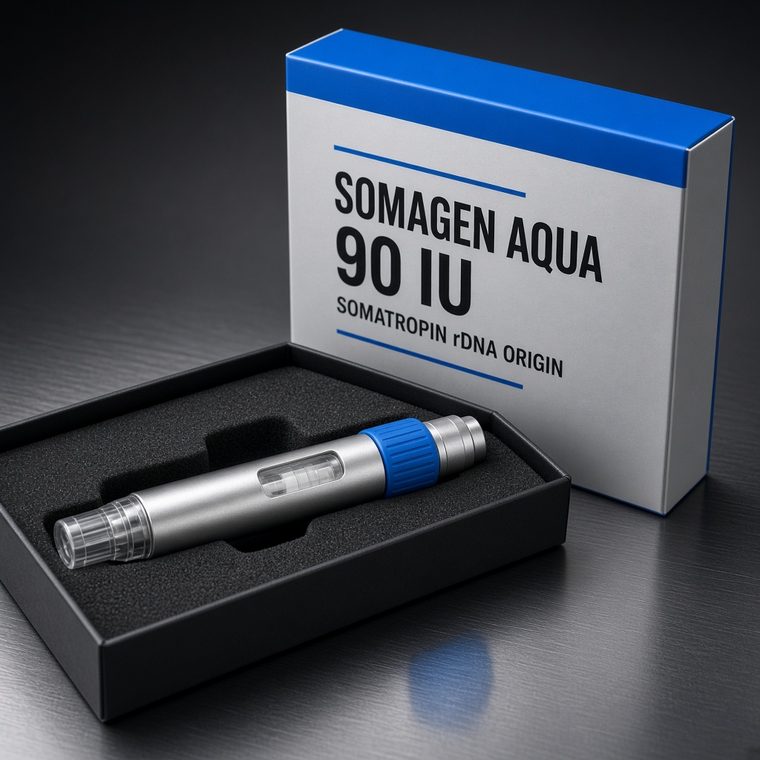
Somagen Aqua Pen 90 IU Human Growth Hormone
30 mg (90 IU total) · Somatropin (rhGH 191aa)
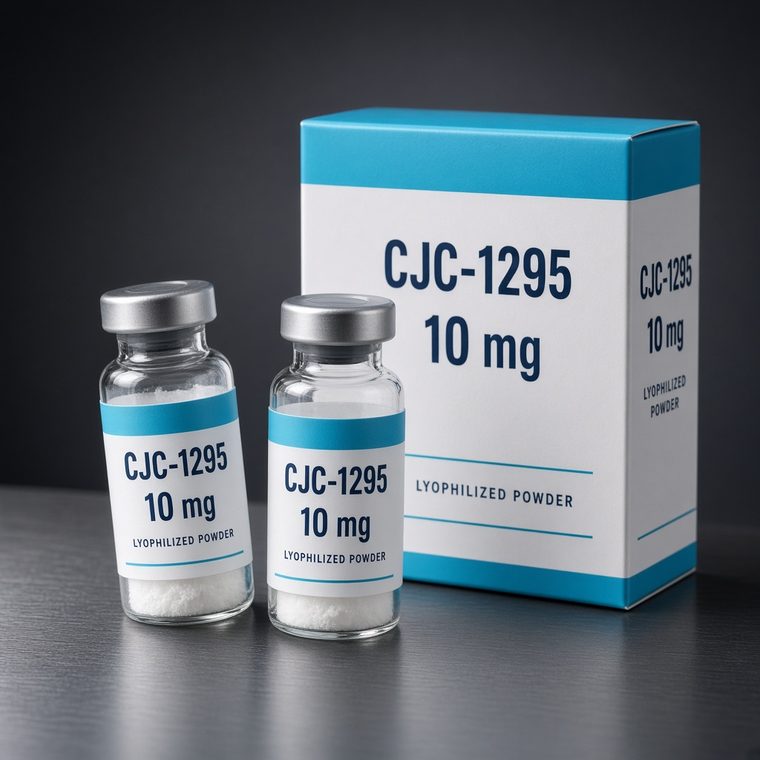
CJC-1295 DAC + Ipamorelin Blend
10 mg blend vial
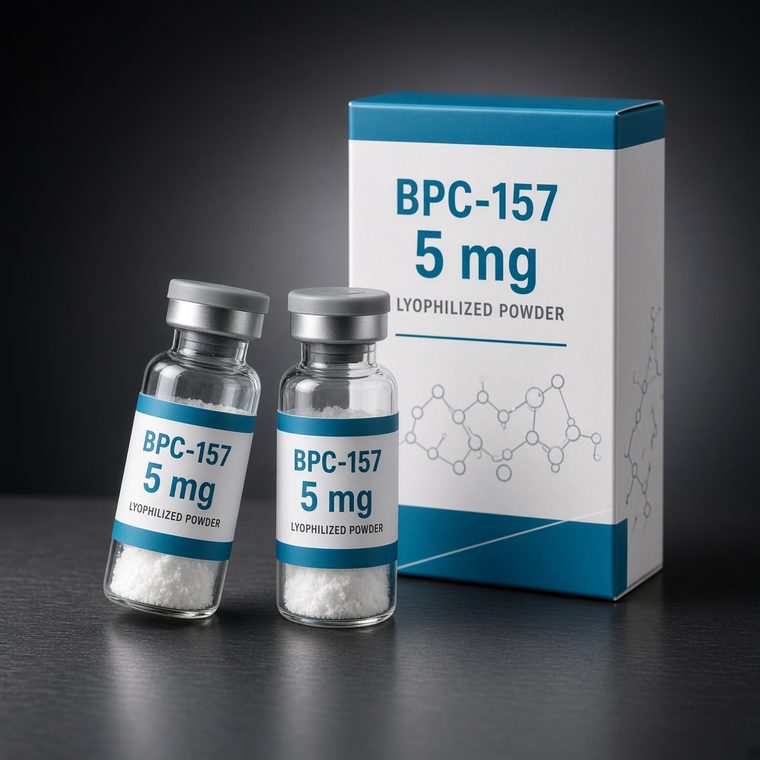
BPC-157 Pentadecapeptide (Body Protection Compound)
5 mg vial