Testosterone Enanthate Injections: a pharmacological reference
Testosterone Enanthate represents the foundational standard of clinical testosterone replacement therapy (TRT) and performance pharmacology. As a prolonged-release esterified variant of the principal endogenous androgen, it delivers sustained physiological concentrations over extended periods, avoiding the rapid serum peaks and troughs associated with unesterified preparations.
Chemistry and classification
At the molecular level, the addition of a 7-carbon enanthate (heptanoic acid) carboxylic acid ester at the 17-beta hydroxyl position markedly increases the molecule lipid solubility. Dissolved in pharmaceutical-grade carrier oils such as USP medium-chain triglycerides (MCT) or refined sesame oil, the compound forms a localized intramuscular biological depot from which it is gradually partitioned into systemic circulation.
In competitive athletic and physique enhancement contexts, exogenous testosterone functions as the non-negotiable hormonal bedrock upon which multi-compound cycles are constructed, preventing physiological hypogonadism while simultaneously inducing profound muscle cross-sectional expansion, central nervous system recruitment, and systemic nitrogen retention.
Clinical history
Initially synthesized and patented in the early 1950s by Schering AG under the trade designation Primoteston Depot, Testosterone Enanthate resolved the significant clinical challenge of daily injection compliance required by short-acting propionate or aqueous suspensions.
Throughout the mid-to-late 20th century, the compound achieved widespread medical approval across Western Europe and the United States for the clinical management of primary and secondary hypogonadism, delayed male puberty, severe catabolic muscle wasting syndromes, and post-menopausal advanced breast carcinoma.
By the 1960s and 1970s, the molecule transcended clinical medicine to become the premier foundational agent within Olympic weightlifting, track and field, and early golden-era competitive bodybuilding, establishing benchmark performance protocols that persist in modern sports science.
Mechanism of action
Upon intramuscular injection and subsequent enzymatic cleavage of the enanthate ester chain by nonspecific tissue and vascular carboxylesterases, pure biologically active unesterified testosterone is liberated into circulation, where approximately 98% binds with high affinity to sex hormone-binding globulin (SHBG) and serum albumin, leaving 1-2% in the bioactive free fraction.
Free circulating testosterone readily diffuses across target cellular membranes and binds with nanomolar affinity to intracellular cytoplasmic Androgen Receptors (AR). This ligand-receptor binding induces conformational dissociation of heat shock proteins (HSP90, HSP70), promoting receptor dimerization and subsequent translocation into the cell nucleus.
Inside the nucleus, the activated homodimer complex binds directly to specific genomic sequences designated as Androgen Response Elements (AREs) located within promoter regions of target genes. This triggers the transcriptional upregulation of structural myofibrillar protein synthesis, upregulates local muscular insulin-like growth factor 1 (IGF-1) autocrine signaling, and promotes satellite cell mitotic division, culminating in true skeletal muscle hyperplasia and hypertrophy.
Simultaneously, testosterone exerts potent non-genomic anti-catabolic activity by competitively antagonizing glucocorticoid receptors, effectively neutralizing the catabolic, muscle-degrading signaling of endogenous cortisol during strenuous high-volume training.

Pharmacokinetics
Following deep intramuscular administration into high-vascularity skeletal muscle groups (e.g., ventrogluteal, dorsogluteal, or vastus lateralis), the hydrophobic oil repository exhibits a prolonged release profile governed by ester solubility. Peak serum testosterone concentrations (Cmax) are typically achieved within 24 to 48 hours post-administration (Tmax).
The elimination half-life (t1/2) of Testosterone Enanthate is documented between 7.5 to 10.5 days, permitting clinical administration intervals of 10 to 14 days, although performance athletes commonly adopt split bi-weekly dosing schedules (e.g., Monday and Thursday) to maintain consistent steady-state plasma concentrations and minimize peak-associated aromatization.
Metabolism occurs predominantly via hepatic pathways through phase I reduction by 5-alpha reductase to 5α-dihydrotestosterone (DHT) in androgen-responsive target tissues (prostate, scalp, sebaceous glands), and aromatization via the cytochrome P450 aromatase enzyme complex into 17β-estradiol. Inactivation proceeds via 17-ketosteroid formation with subsequent glucuronide and sulfate conjugation, followed by 90% renal and 10% fecal elimination.
Use in sport
Within structured athletic periodization, Testosterone Enanthate is utilized as the primary anabolic driver during off-season hypertrophy and maximal force development phases. Its capacity to maintain a marked positive nitrogen balance permits the assimilation of supra-physiological macronutrient volumes, accelerating glycogen supercompensation and intracellular hydration.
Beyond contractile tissue accretion, exogenous testosterone dramatically upregulates erythropoietin (EPO) production by renal peritubular cells, resulting in elevated red blood cell counts, increased hematocrit within physiological thresholds, and enhanced systemic arterial oxygen-carrying capacity, directly translating to delayed neuromuscular fatigue under intense exertion.
When utilized during contest cutting or body recomposition phases, physiological to supra-physiological testosterone doses protect catabolically vulnerable lean mass from diet-induced proteolysis, allowing athletes to achieve single-digit body fat percentages while preserving dense muscular fullness and structural strength output.
Bloodwork and monitoring
Evidence-based administration mandates comprehensive laboratory biomarker tracking before, during, and after therapeutic exposure. Baseline assessment must evaluate: Total Testosterone, Free Testosterone, Sex Hormone-Binding Globulin (SHBG), High-Sensitivity Estradiol (E2 via LC-MS/MS), Prolactin, Complete Blood Count (CBC with Hematocrit and Hemoglobin), Comprehensive Metabolic Panel (ALT, AST, ALP, Bilirubin, eGFR, Creatinine), and a full Lipid Profile (Total Cholesterol, HDL-C, LDL-C, Triglycerides).
Mid-cycle monitoring (typically performed at week 5 or 6) allows clinicians and athletes to identify potential hemoconcentration (Hematocrit > 52-54%), verify appropriate estradiol modulation to prevent subclinical water retention and blood pressure spikes, and monitor hepatic and renal clearance metrics.
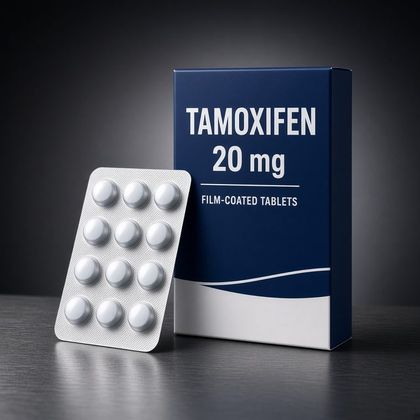
Post-cycle monitoring must be executed 4 to 6 weeks after cessation of all Post-Cycle Therapy (PCT) SERMs to confirm endogenous recovery of the Hypothalamic-Pituitary-Testicular Axis (HPTA), characterized by normalized baseline Luteinizing Hormone (LH) and Follicle-Stimulating Hormone (FSH) values.
Reference Protocol
For complete reference ranges, marker intervals, and clinical harm reduction steps, see our documentation:
First Steroid Cycle Guide for Beginners: Protocols, Bloodwork & Safety →Adverse effects and harm reduction
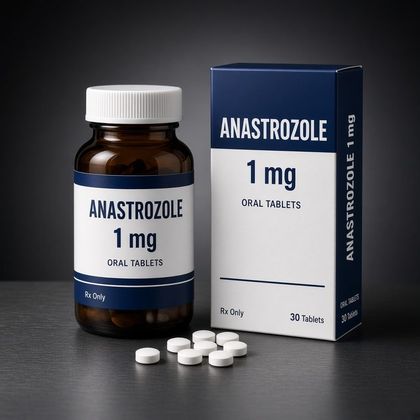
Estrogenic manifestations result from peripheral aromatization into estradiol, presenting clinically as water retention, elevated systolic blood pressure, mood lability, and potential stimulation of glandular breast tissue (gynecomastia). These symptoms are controlled through prudent protocol titration and, when clinically indicated, the judicious administration of competitive aromatase inhibitors (e.g., Anastrozole 0.25 - 0.5 mg as needed).
Androgenic side effects arise primarily from localized 5-alpha reduction to dihydrotestosterone (DHT), including accelerated follicular miniaturization in genetically susceptible individuals (androgenetic alopecia), increased sebaceous gland activity resulting in acne vulgaris, and benign prostatic enlargement.
Cardiovascular impacts involve a moderate dose-dependent reduction in circulating High-Density Lipoprotein (HDL-C) and slight increases in Low-Density Lipoprotein (LDL-C). Exogenous androgens suppress endogenous hypothalamic GnRH and pituitary gonadotropin (LH/FSH) pulsatility through negative feedback, necessitating structured Post-Cycle Therapy upon protocol completion.
Purity and authentication
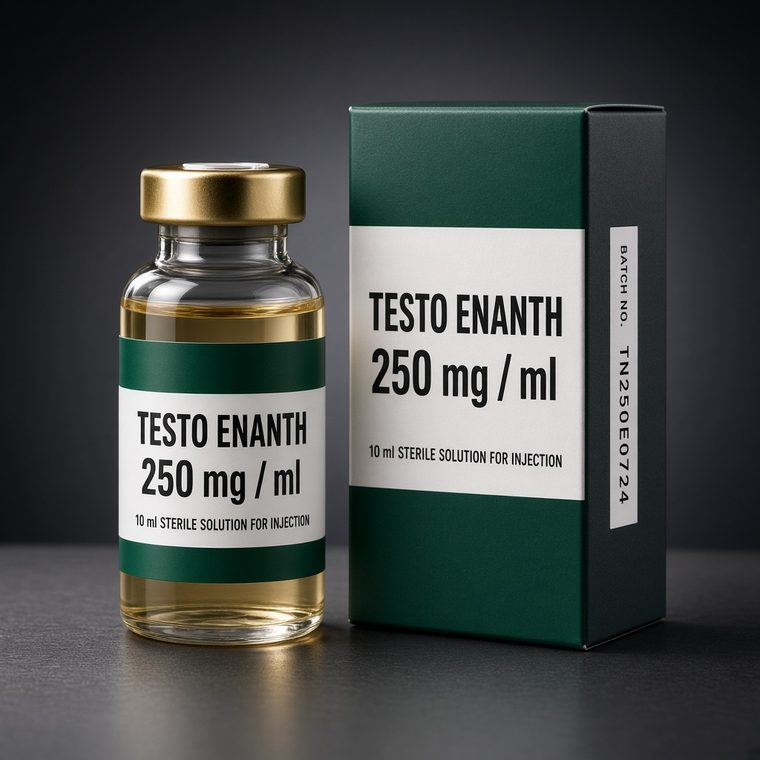
All Testosterone Enanthate formulations provided via Muscle-Shop.eu originate from licensed GMP-certified facilities adhering to European and ISO 9001 analytical standards. Every batch is evaluated through High-Performance Liquid Chromatography (HPLC) to verify active ingredient concentration within +/- 2% of the declared 250 mg/ml specification.
Analytical certificates issued by accredited third-party laboratories (including Janoshik Analytics) confirm zero microbiological contamination, heavy metal limits well below pharmaceutical thresholds, and endotoxin levels under 0.12 EU/ml.
Products feature tamper-evident multi-dose glass vials sealed with medical-grade aluminum flip-off caps and proprietary anti-counterfeit scratch-off security holograms verifiable directly on the manufacturer portal.
Common questions
- What is the optimal injection frequency for Testosterone Enanthate?
- Due to its 8-10 day elimination half-life, clinical protocols recommend injecting at least twice weekly (e.g., every 3.5 days) to avoid volatile peaks and troughs in serum hormone concentrations.
- How does Testosterone Enanthate differ from Testosterone Cypionate?
- Pharmacologically, they are practically interchangeable. Enanthate possesses a 7-carbon ester chain while Cypionate has an 8-carbon ester chain, resulting in an almost identical half-life difference of less than 24 hours.
- What is the recommended storage temperature for sterile oil vials?
- Sterile multidose oil vials should be stored between 15°C and 25°C away from direct sunlight. Never refrigerate or freeze oil solutions, as cold temperatures may cause the hormone to precipitate (crash) out of solution.
This page is reference material compiled from published pharmacological literature. It is not medical advice and does not describe a prescription. Discuss any compound with a physician and obtain baseline bloodwork before use.