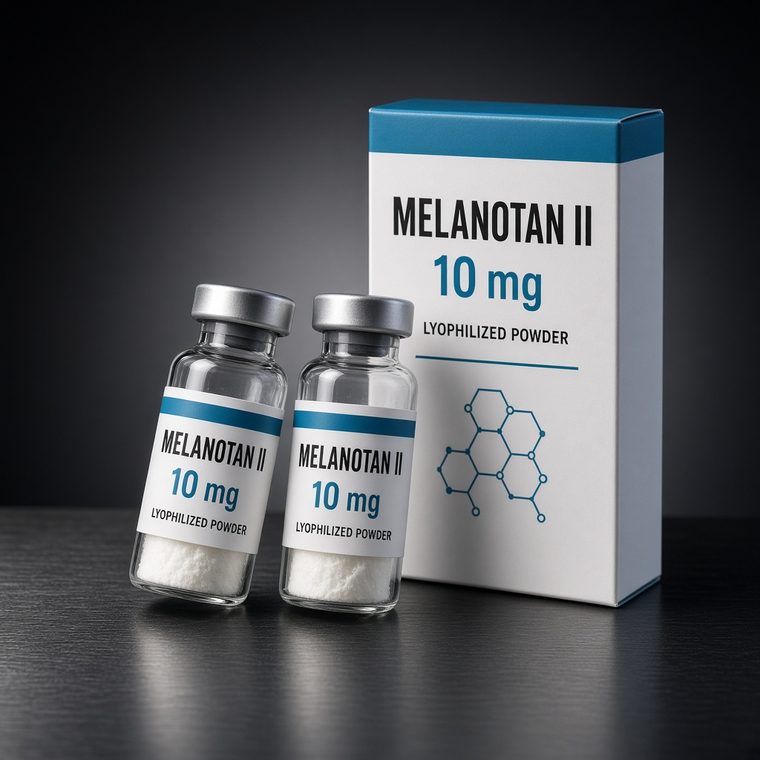
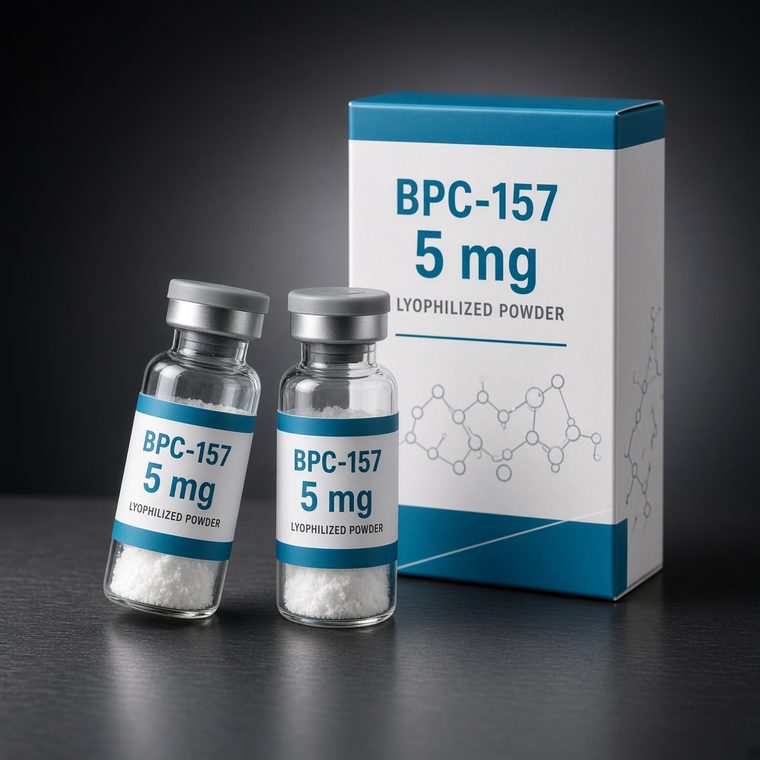
Peptide Sciences / ZPHC Oil solution
BPC-157 Pentadecapeptide (Body Protection Compound)
5 mg vial
€38.00
24 verified orders
Dispatch from inside the EU · 3–5 working days to Germany, France, Italy, Spain and Poland
6 compounds in stock
Lyophilized peptide bioregulators for tissue repair, cellular rejuvenation, growth hormone secretagogues, and metabolic control.
All items in EU stock, dispatched within 24 h
5 mg vial
10 mg blend vial
5 mg lyophilized vial
10 mg lyophilized vial
10 mg vial
Peptide bioregulators are short-chain amino acid sequences that act as precision cellular signaling catalysts. Unlike exogenous hormones, peptides operate upstream by modulating endogenous receptor cascades and gene expression.
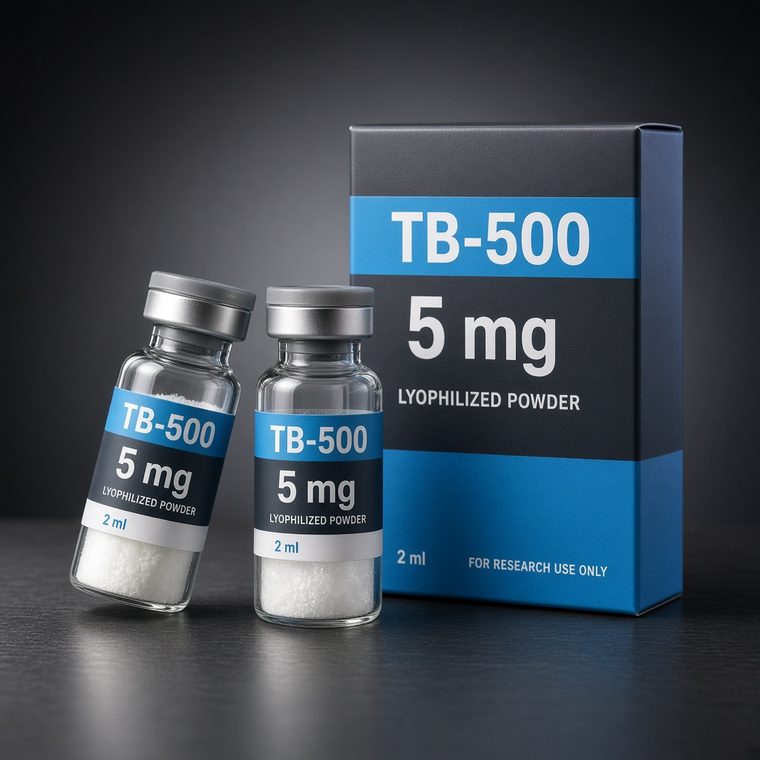
Flagship regenerative compounds include BPC-157 (Body Protection Compound) and TB-500 (Thymosin Beta-4), widely recognized as the premier biological synergy for tendon, ligament, and fascial repair.
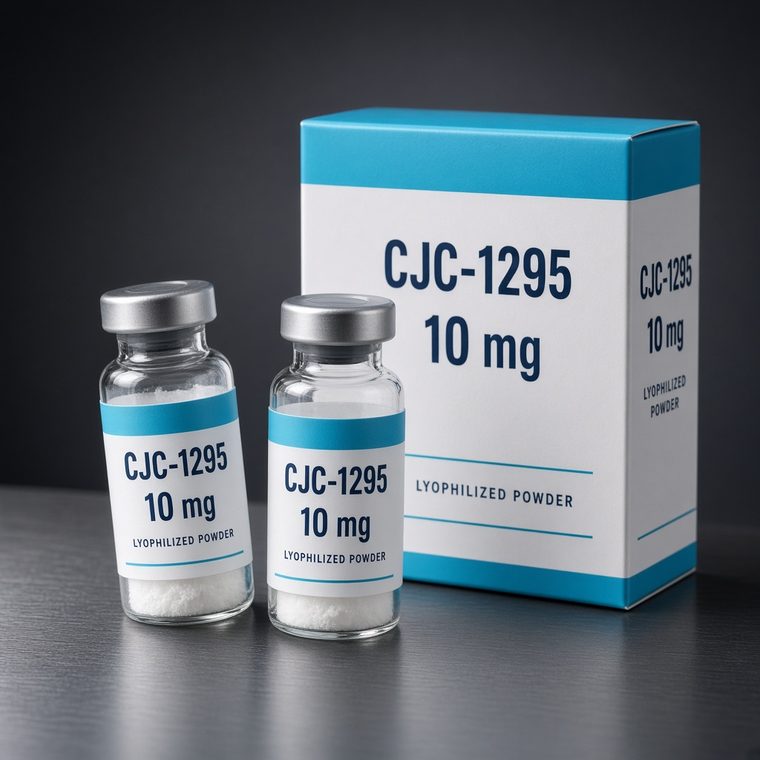
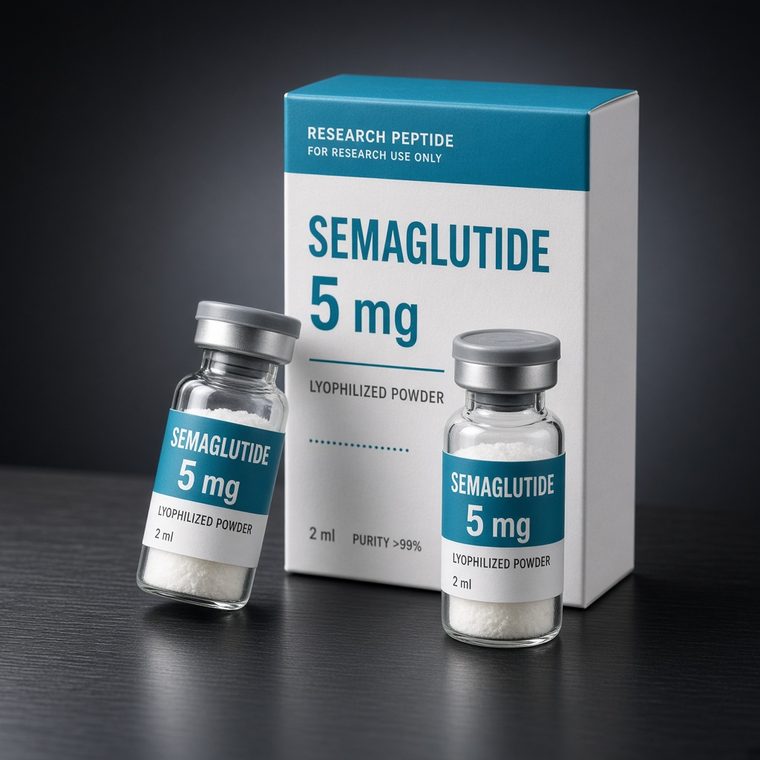
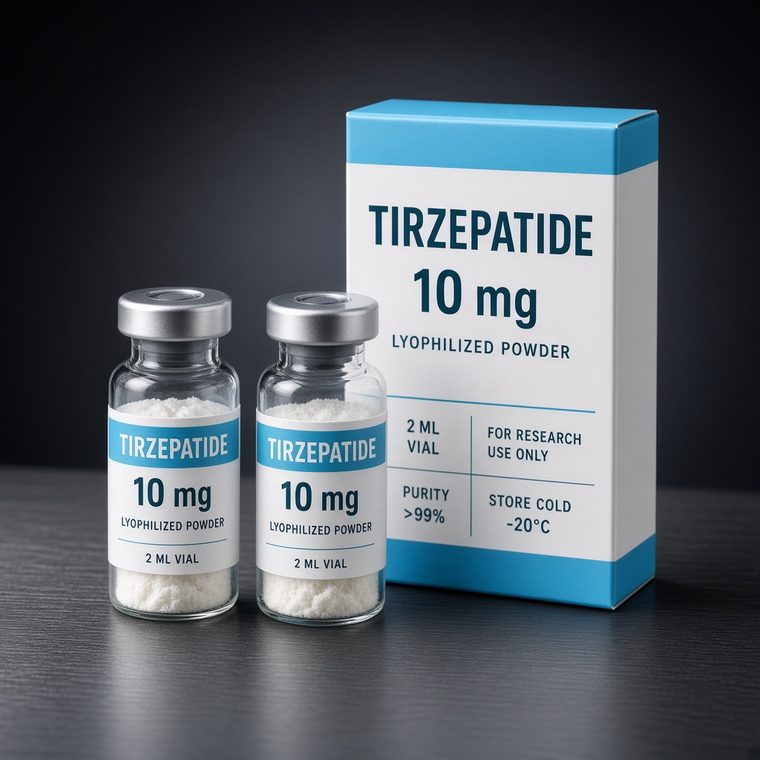
Metabolic and secretagogue peptides include CJC-1295 DAC + Ipamorelin, Semaglutide GLP-1, and Tirzepatide.
BPC-157 accelerates early out-growth of tendon explants and upregulates vascular endothelial growth factor (VEGF) receptors, establishing new capillary networks in poorly vascularised connective tissue. TB-500 sequesters actin to accelerate cellular migration to lesion sites.
When paired with recombinant somatropin from our Growth Hormone (HGH) section, systemic IGF-1 elevates to provide an optimal anabolic environment for collagen restructuring.
Lyophilised peptides are delicate protein structures. Reconstitute slowly with bacteriostatic water along the vial wall; never agitate or shake the vial. Store reconstituted solutions between 2°C and 8°C.
Review detailed reconstitution ratios and sub-Q micro-dosing protocols in our HGH & Peptide Reconstitution Guide.
Track inflammatory markers (hs-CRP, ESR) for injury rehab, or fasting glucose and HbA1c when administering secretagogues or GLP-1 agonists.
All peptide vials undergo terminal lyophilisation under sterile vacuum conditions, providing 99%+ peptide purity. Insulated dispatch packaging protects fragile protein structures across European transit.
Reference material compiled from published pharmacological literature. Not medical advice. Obtain baseline bloodwork and speak to a physician before starting any protocol.