Somagen Aqua Pen 90 IU Human Growth Hormone: a pharmacological reference
Human Growth Hormone (rhGH / Somatropin) is a complex 191-amino acid single-chain polypeptide hormone synthesized via recombinant DNA technology. Mirroring the exact molecular sequence of endogenous somatropin produced by the anterior pituitary gland, it represents the gold standard in cellular rejuvenation, metabolic lipolysis, and permanent muscle hyperplasia.
Chemistry and classification
Unlike anabolic steroids that solely induce muscle hypertrophy (enlarging existing muscle fibers), Growth Hormone activates dormant satellite cells, stimulating the mitotic division of new muscle cells (hyperplasia). When combined with resistance training and an androgenic foundation, this creates permanent structural improvements in muscular density.
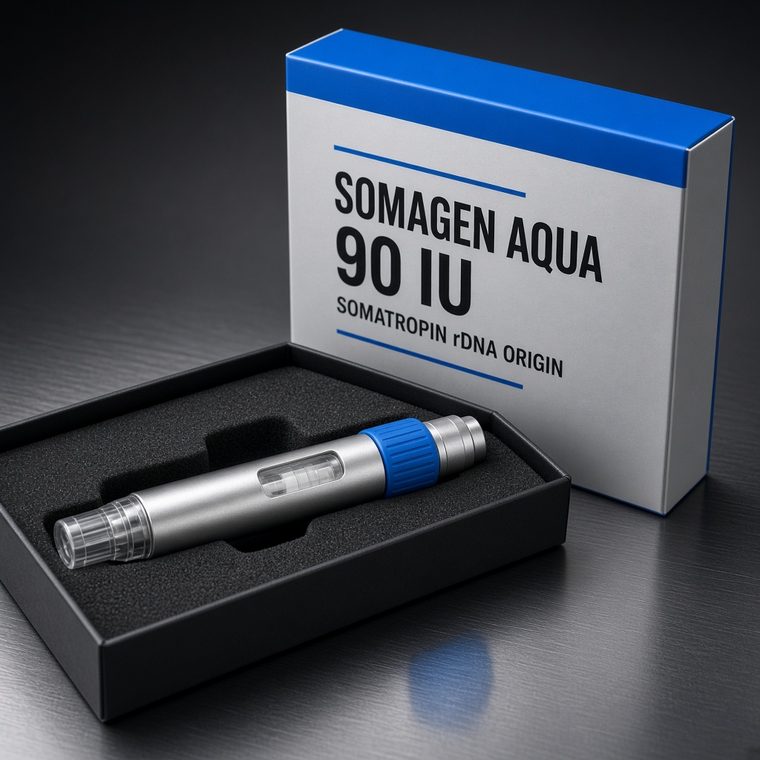
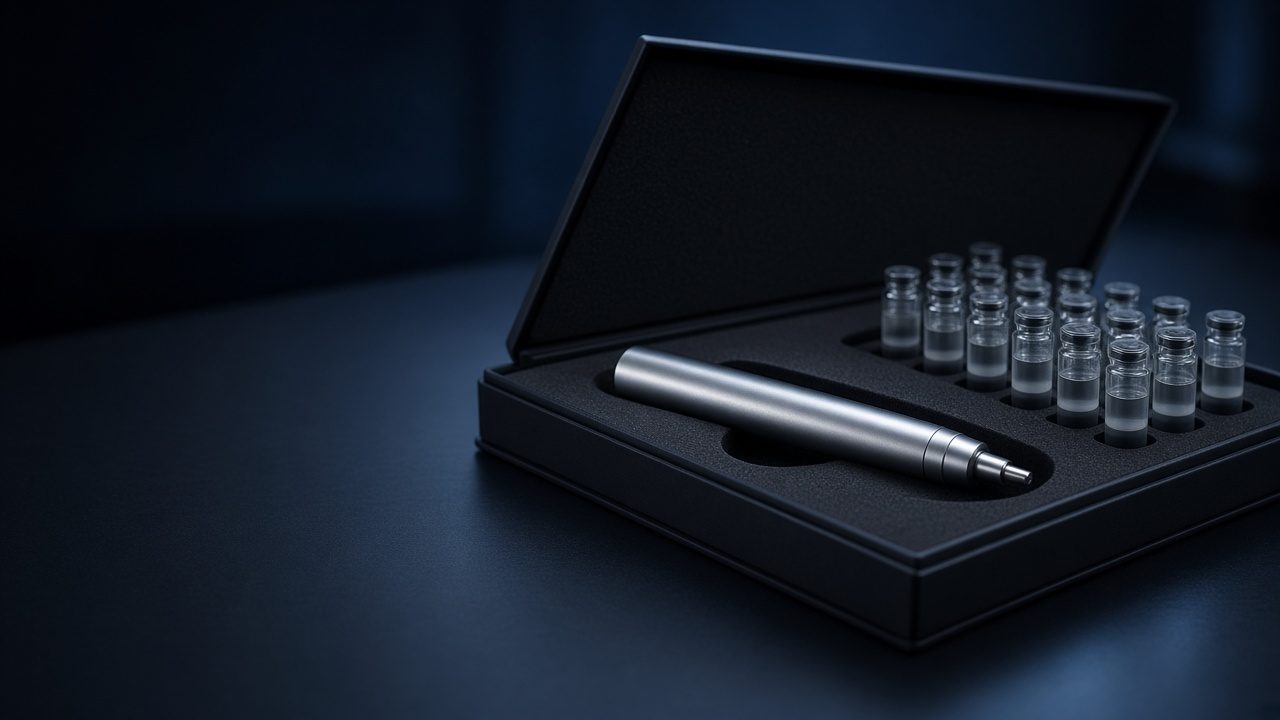
Pre-filled liquid injector pens like Somagen Aqua Pen eliminate the fragile manual reconstitution of powder vials, delivering precise micro-dosed somatropin with instant convenience and laboratory-grade bioavailability.
Clinical history
Before the mid-1980s, medical growth hormone could only be extracted from human cadaver pituitary glands (cadaveric GH), a method terminated in 1985 due to the fatal transmission of Creutzfeldt-Jakob Disease (CJD).
In 1985, Genentech introduced biosynthetic recombinant human growth hormone (rhGH), producing authentic 191-amino acid somatropin through bacterial bio-fermentation (E. coli expression systems), inaugurating a safe new era in endocrinology and anti-aging medicine.
Throughout modern athletic history, HGH has been celebrated across professional sports and bodybuilding for its capacity to accelerate deep tendon recovery, melt visceral adipose fat, and preserve youthful skin collagen.
Mechanism of action
Upon subcutaneous injection, Somatropin enters the bloodstream and binds directly to Growth Hormone Receptors (GHR) on target cell membranes, activating the intracellular JAK2-STAT5 signaling pathway.
In hepatic tissue, GHR activation stimulates the robust synthesis and secretion of Insulin-Like Growth Factor 1 (IGF-1) into circulation, as well as elevating local autocrine/paracrine IGF-1 within muscle tissue. IGF-1 binds to the IGF-1R receptor, powerfully activating the PI3K/Akt/mTOR pathway to drive protein synthesis.
In adipose tissue, HGH exerts powerful direct lipolytic action by upregulating hormone-sensitive lipase (HSL), mobilizing stored triglycerides directly into free fatty acids to be oxidized as primary cellular fuel.
Simultaneously, HGH enhances chondrocyte and osteoblast activity, increasing bone mineral density, stimulating articular cartilage remodeling, and strengthening connective tendons.
Pharmacokinetics
Subcutaneous injection of liquid Somatropin yields a peak serum concentration (Cmax) within 2 to 4 hours post-administration. The elimination half-life of circulating HGH is brief (approximately 20 to 30 minutes in blood), but the resulting downstream elevation in serum IGF-1 remains sustained for 20 to 24 hours.
Clinical and athletic protocols typically employ once-daily subcutaneous morning micro-injections (upon waking in a fasted state to capitalize on low insulin levels) or split morning/post-workout administrations.
Degraded via normal protein catabolism pathways into constituent free amino acids primarily in the kidneys and liver, leaving zero toxic chemical residues.
Use in sport
In competitive athletics, HGH provides unmatched systemic fat loss, specifically targeting stubborn visceral and lower abdominal adipose tissue while simultaneously maintaining extreme muscle fullness.
Its ability to repair worn ligaments, chronic cartilage degeneration, and tendon trauma makes it indispensable for longevity in high-impact strength sports and heavy bodybuilding.
When stacked synergistically with anabolic steroids, HGH provides the ultimate physiological combination: steroids maximize protein synthesis and cross-sectional hypertrophy, while HGH creates new muscle fibers (hyperplasia) and drives systemic lipolysis.
Bloodwork and monitoring
Key bloodwork monitoring for Growth Hormone protocols centers around: Serum IGF-1 (Z-score and absolute concentration in ng/ml to gauge biological response), Fasting Blood Glucose, and Glycated Hemoglobin (HbA1c).
Because high-dose HGH can induce mild peripheral insulin resistance by mobilizing free fatty acids, monitoring fasting glucose and incorporating glucose disposal agents (Metformin or Berberine) is standard for advanced users.
Thyroid panel: HGH accelerates the peripheral conversion of T4 to active T3; monitoring TSH and Free T3 ensures optimal metabolic balance throughout prolonged cycles.
Reference Protocol
For complete reference ranges, marker intervals, and clinical harm reduction steps, see our documentation:
Human Growth Hormone (HGH) Guide: Dosing, Reconstitution & Storage →Adverse effects and harm reduction
Water retention and temporary carpal tunnel tingling: Mild sodium and water retention can occur during the first 2-3 weeks, compressing the median nerve at the wrist. Titrating the dose upward slowly (e.g., starting at 2 IU daily) prevents this symptom.
Insulin resistance: High sustained dosages can reduce insulin sensitivity, manageable through dietary carbohydrate control and morning fasted injection timing.
Joint stiffness: Typically transient, resolving as tissues adapt to enhanced hydration and collagen synthesis.
Purity and authentication
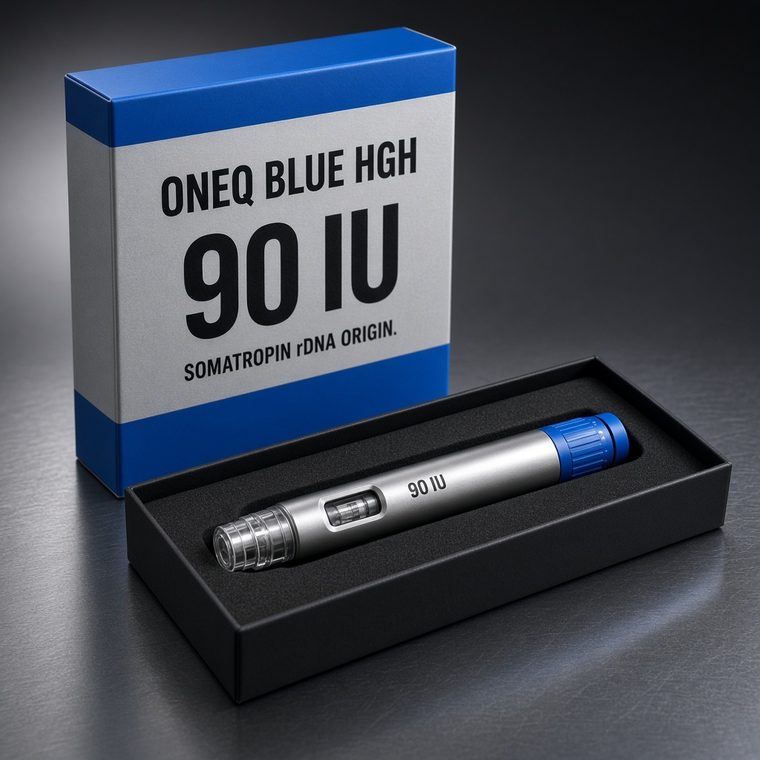
Somagen Aqua and OneQ Blue pens supplied by Muscle-Shop.eu contain pharmaceutical-grade authentic 191-amino acid Somatropin produced via recombinant fermentation, verified at 99.4% chromatographic purity.
Cold-chain prepared and delivered in temperature-stable insulated protective packaging with authentic batch serials.
Click-dial precision mechanisms allow accurate micro-adjustments down to single international units (IU), ensuring exact clinical dosing.
Common questions
- What is the difference between 191aa and 192aa Growth Hormone?
- Authentic 191aa Somatropin is genetically identical to human pituitary growth hormone. Inferior 192aa somatrem includes an extra methionine amino acid, which frequently causes the human immune system to produce anti-GH antibodies, neutralizing the hormone over time. Muscle-Shop strictly supplies authentic 191aa Somatropin.
- When is the best time of day to inject HGH?
- The ideal time is early in the morning upon waking in a fasted state when blood glucose and insulin levels are at their lowest. Insulin is an antagonist to HGH lipolytic signaling; injecting during low-insulin windows maximizes fat burning.
- How long does an HGH cycle take to show visible results?
- HGH operates through gradual cellular remodeling. Fat loss, improved sleep quality, and joint relief are noticeable within 3 to 4 weeks. Deep muscular hyperplasia, skin elasticity improvements, and structural muscle density become prominent after 3 to 6 months of continuous administration.
This page is reference material compiled from published pharmacological literature. It is not medical advice and does not describe a prescription. Discuss any compound with a physician and obtain baseline bloodwork before use.