Ligandrol LGD-4033: a pharmacological reference
Selective Androgen Receptor Modulators (SARMs) and synthetic bioregulatory peptides represent the cutting edge of modern performance and regenerative pharmacology. Engineered to overcome the systemic collateral side effects of classical anabolic steroids, these compounds operate via tissue-selective receptor agonism and targeted cellular signaling cascades.
Chemistry and classification
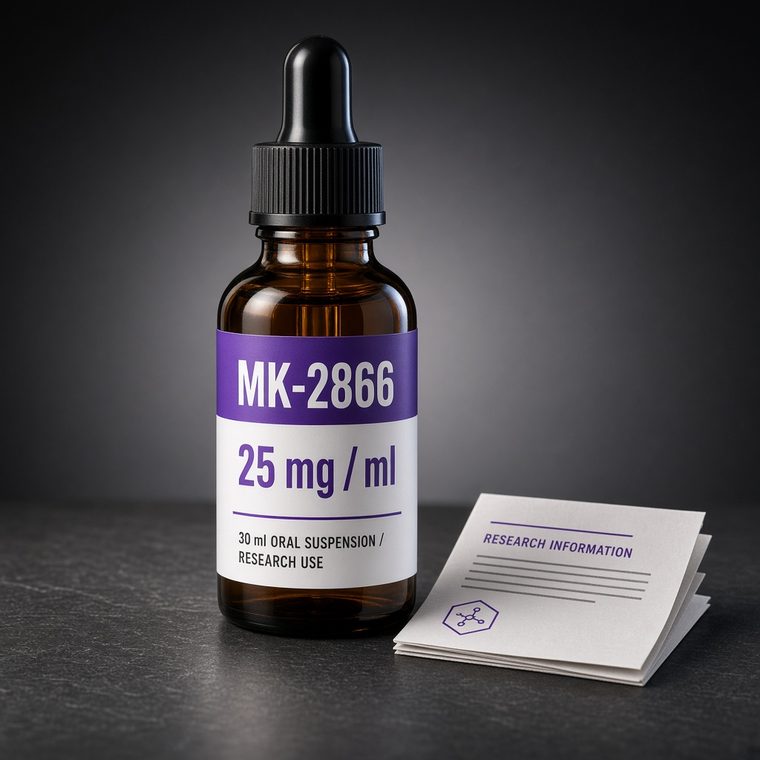
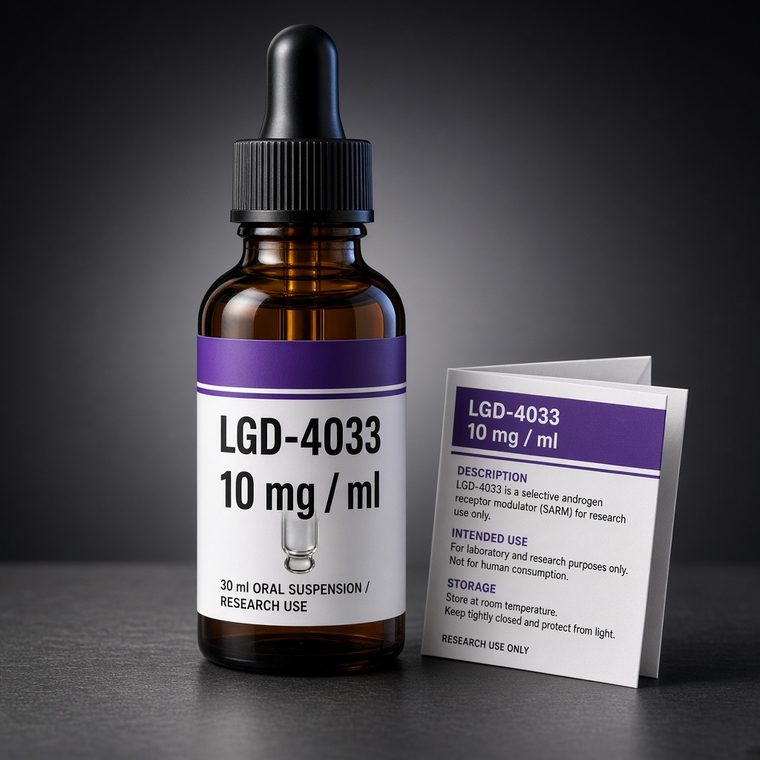
SARMs (such as Testolone RAD-140, Ligandrol LGD-4033, and Ostarine MK-2866) bind selectively to androgen receptors in skeletal muscle and bone tissue while demonstrating minimal transcriptional stimulation in androgen-sensitive tissues such as the prostate, scalp, and sebaceous glands.
Concurrently, therapeutic peptides such as BPC-157 (Body Protection Compound) and TB-500 (Thymosin Beta-4) promote profound localized and systemic tissue healing, angiogenesis, and collagen matrix remodeling, establishing them as vital recovery tools for elite athletic rehabilitation.
Clinical history
The conceptual foundation of SARMs emerged in the late 1990s through research led by scientists at Ligand Pharmaceuticals and the University of Tennessee, seeking non-steroidal treatments for muscle wasting, cancer cachexia, and male osteoporosis without the virilizing side effects of testosterone.
Regenerative peptides like BPC-157 were isolated from human gastric juice by researchers at the University of Zagreb in the early 1990s, revealing unprecedented cytoprotective and vascular endothelial growth factor (VEGF) upregulation properties across damaged tendons, ligaments, and gastrointestinal tissue.
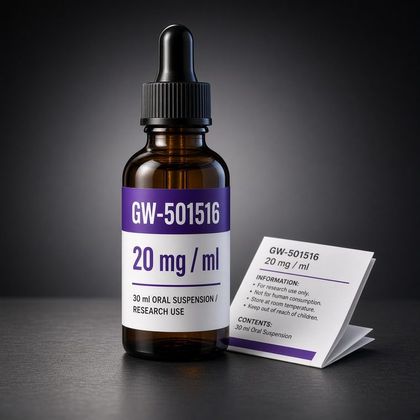
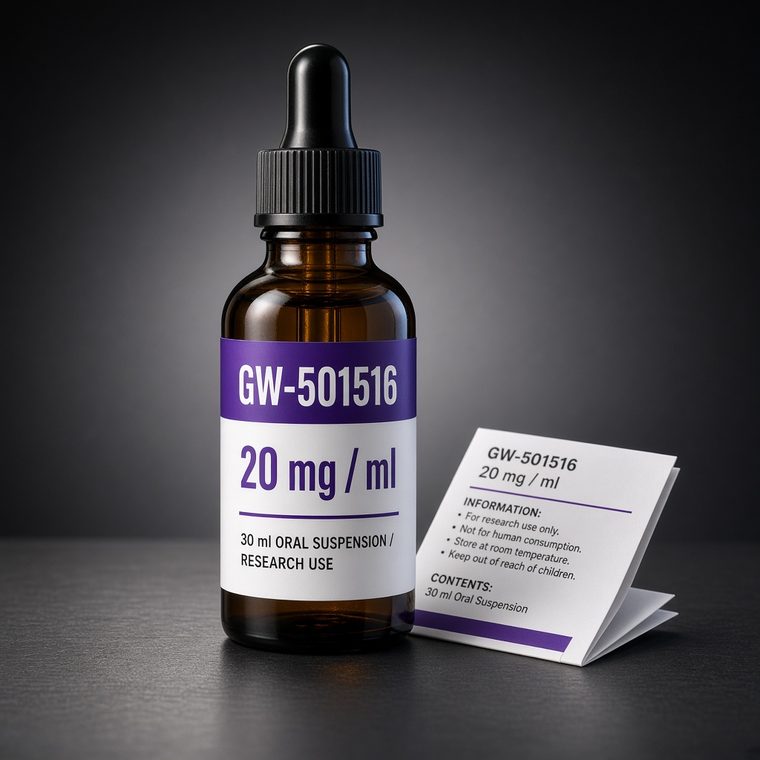
Over the past decade, these research compounds have been embraced globally by athletes, crossfitters, and bodybuilders seeking accelerated soft tissue recovery, enhanced aerobic endurance (Cardarine GW-501516), and sustained hypertrophy without needle dependency or intense androgenic stress.
Mechanism of action
SARMs mechanism: When a non-steroidal SARM binds to the ligand-binding domain of the Androgen Receptor, it recruits a unique set of coregulator proteins (coactivators vs corepressors) distinct from steroidal ligands. In muscle and bone tissue, it recruits coactivators that drive gene transcription for hypertrophy; in the prostate and sebaceous glands, it recruits corepressors that neutralize androgenic signaling.
Peptide mechanism (BPC-157 / TB-500): BPC-157 upregulates the expression of early growth response 1 (egr-1) gene and VEGFR2, accelerating the formation of new capillary blood vessels (angiogenesis) to deliver oxygen and amino acids directly into avascular connective tissues (tendons, ligaments). TB-500 sequesters G-actin, facilitating cell motility and tissue migration across injured muscle fibers.
Metabolic peptides (Semaglutide / Tirzepatide): Act as GLP-1 (and GIP) receptor agonists, delaying gastric emptying, stimulating glucose-dependent insulin secretion, and crossing the blood-brain barrier to bind to pro-opiomelanocortin (POMC) neurons in the hypothalamus, permanently silencing hunger signals and accelerating lipolysis.
Pharmacokinetics
SARMs exhibit oral bioavailabilities exceeding 85% when suspended in pharmaceutical PEG-400 or ethanol solutions. RAD-140 has an extended elimination half-life of approximately 48 to 60 hours, allowing convenient once-daily oral dosing. Ostarine possesses a 24-hour half-life.
Reconstituted lyophilized peptides (BPC-157, TB-500) are administered subcutaneously or intramuscularly using ultra-fine insulin syringes. BPC-157 exhibits rapid tissue uptake with a biological half-life of approximately 4 hours, benefiting from twice-daily micro-injections near the injured joint.
Metabolized through enzymatic peptide hydrolysis or hepatic phase II glucuronidation, these compounds produce inactive breakdown products that clear completely through renal filtration.
Use in sport
In physical training protocols, SARMs like RAD-140 and LGD-4033 provide lean muscle mass accretion comparable to moderate oral steroid doses, with zero water retention and high muscular hardness.
Cardarine GW-501516 (a PPAR-delta agonist) fundamentally transforms aerobic capacity by shifting cellular substrate utilization from glucose to fatty acids, allowing endurance athletes and fighters to sustain high VO2-max output for hours while shedding body fat.
BPC-157 and TB-500 are standard protocols for resolving chronic tennis elbow, rotator cuff tears, patellar tendonitis, and muscle tears, slashing rehabilitation timelines by over 50%.
Bloodwork and monitoring
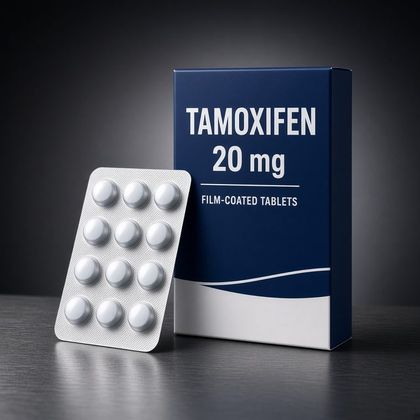
Although non-steroidal, potent SARMs (RAD-140, LGD-4033) will induce dose-dependent suppression of endogenous Total Testosterone and SHBG via hypothalamic feedback. Post-cycle bloodwork (Total T, Free T, LH, FSH) is recommended to determine whether a mild 4-week mini-PCT (e.g. Enclomiphene or Nolvadex) is required.
Lipid panels should be evaluated, as SARMs can moderately reduce HDL cholesterol levels.
Peptides (BPC-157, TB-500) do not impact the endocrine system, gonadotropins, or lipids, requiring no hormonal blood monitoring.
Reference Protocol
For complete reference ranges, marker intervals, and clinical harm reduction steps, see our documentation:
SARMs vs Anabolic Steroids: Efficacy, Side Effects & Honest Comparison →Adverse effects and harm reduction
SARMs side effects are predominantly limited to transient endocrine suppression at higher dosages and temporary lipid shifts. They do not aromatize into estrogens and do not cause prostate enlargement.
Gastrointestinal peptides (Semaglutide) may induce mild transient nausea during the initial titration phase, which resolves as the digestive system adapts.
BPC-157 and TB-500 exhibit clean clinical safety profiles with no documented toxicity or organ strain at therapeutic dosing.
Purity and authentication
Our Novosarm and research peptide formulations are produced with ultra-pure raw materials exceeding 99.2% analytical purity verified via HPLC and Mass Spectrometry (MS).
Peptides are vacuum lyophilized in sterile pharmaceutical glass vials to ensure long-term molecular chain integrity until reconstitution with bacteriostatic water.
Liquid SARMs are formulated in medical-grade carriers preventing precipitation, with calibrated dropper pipettes ensuring exact milligram dosing.
Common questions
- Do SARMs require a Post Cycle Therapy (PCT)?
- Mild SARMs like Ostarine at low doses may not require PCT, but potent compounds like RAD-140 and LGD-4033 suppress natural testosterone production and benefit from a 4-week mini-PCT with a SERM (Enclomiphene or Tamoxifen) to rapidly restore baseline hormone levels.
- Can BPC-157 be injected systemically or must it be localized near the injury?
- BPC-157 works both systemically (injected subcutaneously into abdominal fat) and locally. However, localized subcutaneous injection near the injured joint or tendon often provides slightly faster initial symptom relief due to higher acute concentration in local capillary beds.
- How should lyophilized peptides be stored after mixing?
- Once reconstituted with bacteriostatic water, peptide vials must be stored in a refrigerator between 2°C and 8°C. Do not freeze reconstituted peptides, and avoid violent shaking of the vial to preserve fragile amino acid chains.
This page is reference material compiled from published pharmacological literature. It is not medical advice and does not describe a prescription. Discuss any compound with a physician and obtain baseline bloodwork before use.